Health and Safety Policy — Flat Clearance Addiscombe
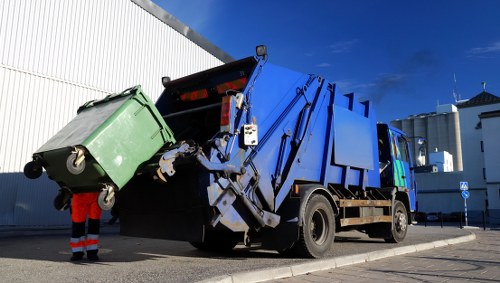
This Health and Safety policy sets out our commitment to safe working practices for all flat clearance and rubbish removal work undertaken by our teams. It applies to every employee, contractor and visitor involved in the planning, execution or support of flat clearance activities and related rubbish collection across our service area. Our aim is to prevent harm, protect the environment and maintain the highest practical standards of safety during every stage of a clearance project, from site assessment through to waste transfer and disposal.We take a proactive approach to risk management. Senior management will ensure that adequate resources and leadership are provided to implement this policy; operational supervisors will deliver clear instructions and monitor compliance; and each operative must follow safe systems of work and report unsafe conditions. Training, correct equipment and clear communication channels are essential controls. Personal accountability complements organisational responsibility: everyone is expected to work safely and to support others in doing the same.
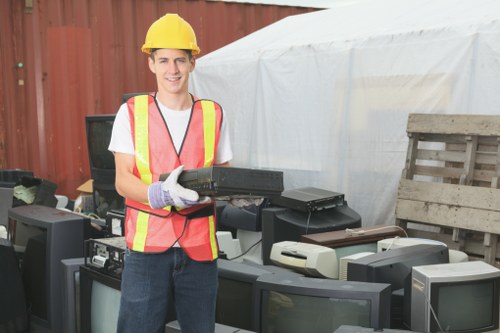 Before every job we will complete a documented risk assessment that identifies hazards specific to the property, the contents to be removed and the routeing of vehicles and staff. Risk controls include segregation of the working area, the use of mechanical aids and correct manual handling techniques, vehicle safe loading procedures and the clear marking of exclusion zones. Our safe work measures also cover unexpected hazards often found during flat clearance, such as broken glass, needles and unstable items, and ensure rubbish is segregated to reduce cross-contamination.
Roles, Responsibilities and Competence
All personnel involved in Addiscombe flat clearance and related rubbish clearance services have defined responsibilities. Managers must maintain training records, ensure operatives are briefed and verify that equipment is fit for purpose. Team leaders supervise task execution, confirm control measures are in place and carry out pre-start checks. Operatives are responsible for following method statements, wearing PPE and escalating any unanticipated risks. Recruitment and contractor selection include competence checks so that only suitably experienced providers support our operations.
Training, PPE and Equipment Safety
We provide targeted training for manual handling, the safe use of dollies and trolleys, vehicle loading, and working in communal stairwells and lifts. Personal protective equipment such as gloves, safety footwear and eye protection is provided and must be used where required. Regular inspection and maintenance schedules for vehicles, lifting aids and tools are enforced to prevent failures that could lead to injury or damage. Training is refreshed at set intervals and after any procedural change to ensure ongoing competence in rubbish removal and flat clearance techniques.When contractors are engaged, they must demonstrate adherence to equivalent health and safety standards and coordinate effectively with our teams to manage joint risks. Communication protocols include pre-job briefings, documented method statements and the use of radios or mobile devices where appropriate to manage dynamic site conditions. Clear signage and designated walkways help protect members of the public when clearances occur in shared or communal areas.
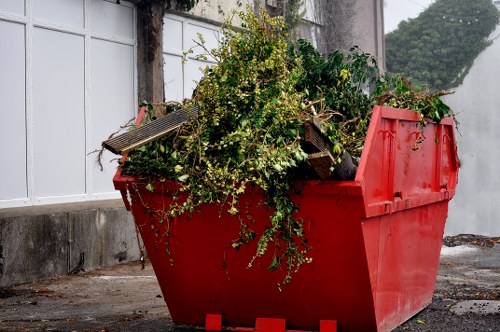
Handling Hazardous Materials and Waste Segregation Encountering hazardous items is an established risk during flat clearance operations. Our policy requires immediate isolation of potentially dangerous materials, secure containment and compliant transfer to appropriate disposal streams. Batteries, solvents, electrical items, sharps and any suspected asbestos are treated with specific controls including specialist subcontractors where necessary. Proper labelling and segregation of recyclable and non-recyclable rubbish reduces health risks and supports environmental obligations while maintaining a safe workplace.
 Emergency preparedness and incident management are core components of this policy. Clear procedures exist for reporting incidents, administering first aid and contacting emergency services if required. Near-miss reporting is actively encouraged so that trends can be identified and corrective actions implemented. Routine monitoring and audits assess how well safe systems of work are applied during flat clearance activities, and audit findings feed into practical improvements for rubbish clearance operations.
 We adopt a continual improvement approach: this policy is reviewed at defined intervals and whenever there are significant operational changes, incidents or updates to best practice. Performance indicators, training completion rates and incident records are analysed to drive safer ways of working and to reduce occupational ill health. Everyone engaged in our flat clearance and rubbish removal services is expected to cooperate fully with this policy and to contribute to a safe and healthy working environment. Management will make sure that resources are available to implement agreed improvements and that any concerns raised are treated seriously and acted upon without delay.